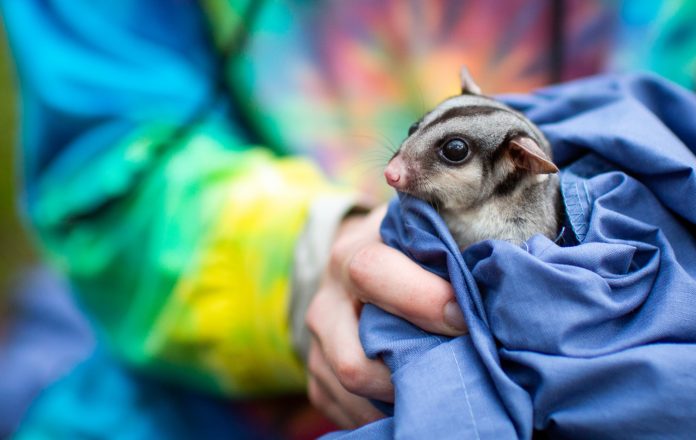
Despite recent fires and drought, Lake Macquarie’s native wildlife continue to happily call the city home.
A four-year research project has shown a steady increase in the glider population and has also detected a number of other species in the area.
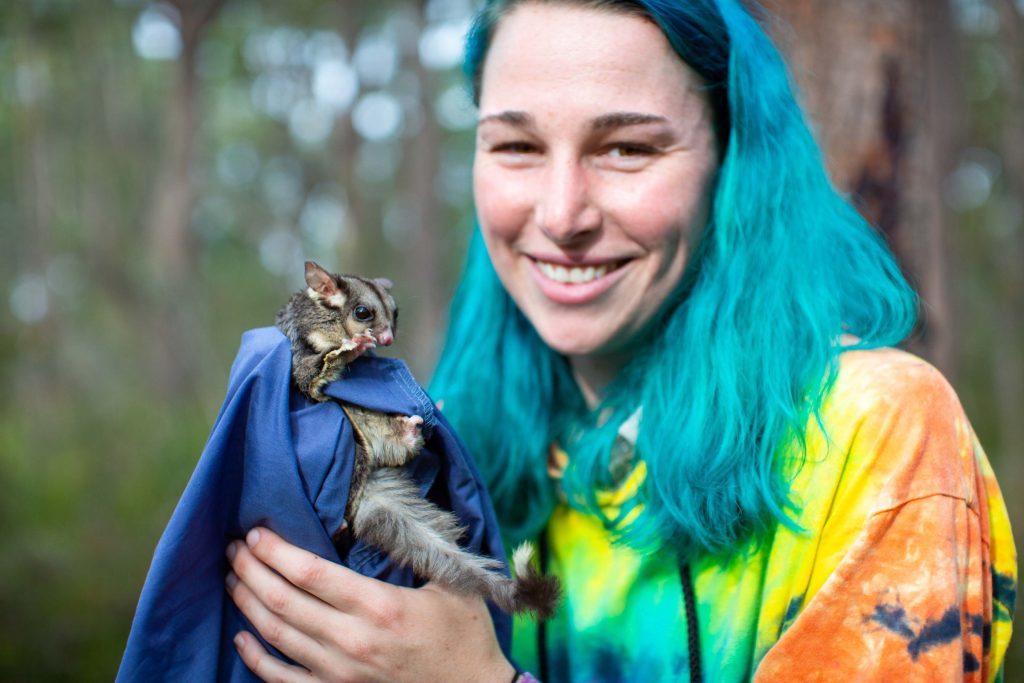
The Lake Macquarie City Council-funded study by University of Technology Sydney PhD student Reannan Honey involved monitoring sugar and squirrel glider communities at 25 sites across the city.
“The glider population has increased steadily since I first started trapping in 2017, and I recorded 47 new gliders this year – 29 sugar gliders and 18 squirrel gliders,” Ms Honey said.
Motion-sensing cameras set up in specially made nest boxes have also revealed a range of other native wildlife frequenting tracts of bush bordering suburbia.
“I’ve recorded rainbow lorikeets, eastern rosellas, scaly breasted lorikeets, squirrel gliders and feathertail gliders all using both insulated and uninsulated nest boxes,” Ms Honey said.
Owls and brushtail possums are among the other creatures captured checking out the arboreal accommodation.
Most heartening of all was the survival of glider populations in fire-affected research bushland near Cooranbong.
Ms Honey said she feared the worst after a fire tore through the area in December last year, but monitoring last month showed gliders had either survived the blaze or returned after fleeing.
“It’s amazing we are still detecting them on-site – I was so excited about it,” she said.
Council Manager Environmental Systems Tim Browne said today’s World Environment Day was an opportunity to celebrate Lake Mac’s diverse natural assets, and focus on valuing and preserving them.
“Ms Honey’s research shows how native wildlife is thriving in Lake Macquarie,” Mr Browne said.
“We must do what we can to ensure that continues.”
The council has undertaken more than 103ha of bushland regeneration across the city in the past 12 months.
More than 89,000 local native plants have been planted to help re-establish healthy ecosystems and restore habitat.