

The state’s first Renewable Energy Zone is another step closer following planning approval for the Hunter-Central Coast REZ project.
It was achieved after the exhibition of the Review of Environmental Factors (RoEF), as well as an appraisal of submissions by councils, state authorities, businesses and individuals.
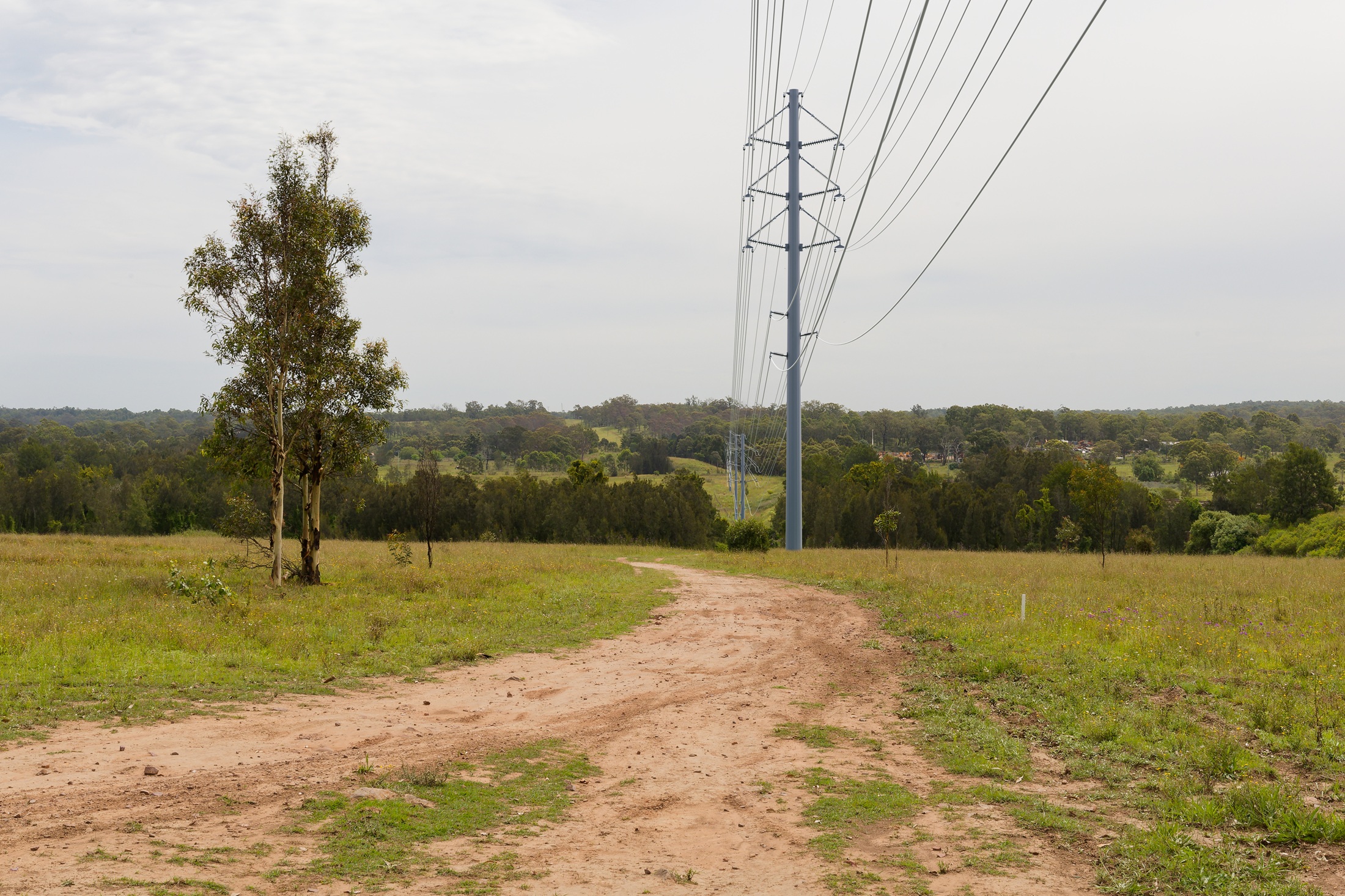
The Hunter-Central Coast REZ network infrastructure has been assessed as having a relatively low environmental impact, as most of the works take place on existing easements.
It’s understood the venture is key to the NSW Government’s energy plan.
Right now, about 36% of NSW’s electricity comes from renewable sources.
The projects the state has already backed will move it more than two-thirds of the way to its 2030 goal and approximately 40% of the route to the government’s 2030 long-duration storage target.
“The Hunter-Central Coast region has always been a powerhouse for industry and innovation and now it’s taking a bold step forward into the clean energy future,” Minister for the Hunter Yasmin Catley said.
“Fast-tracking the Hunter-Central Coast Renewable Energy Zone is about more than just new poles and substations.
“It’s about delivering affordable, long-lasting energy while creating good jobs, supporting local businesses and protecting our communities and environment.
“By upgrading existing infrastructure, which will enable 1 gigawatt (GW) of network transfer capacity, we’re minimising disruption, maximising benefits and ensuring our communities are at the heart of the state’s renewable transformation.”
The REZ is forecast to create an average of approximately 590 direct jobs per year in the local area during construction, including roles for engineers, electricians and labourers.
So, the latest announcement should be celebrated, according to Minister for Climate Change and Energy Penny Sharpe.
“Planning approval for the Hunter-Central Coast Renewable Energy Zone project is further evidence of progress on a key upgrade that will help keep the lights on as coal-fired power plants retire,” she said.
“Improving existing distribution poles and wires allows us to minimise the impact on communities and the environment… and speeds up the delivery of this critical infrastructure.”
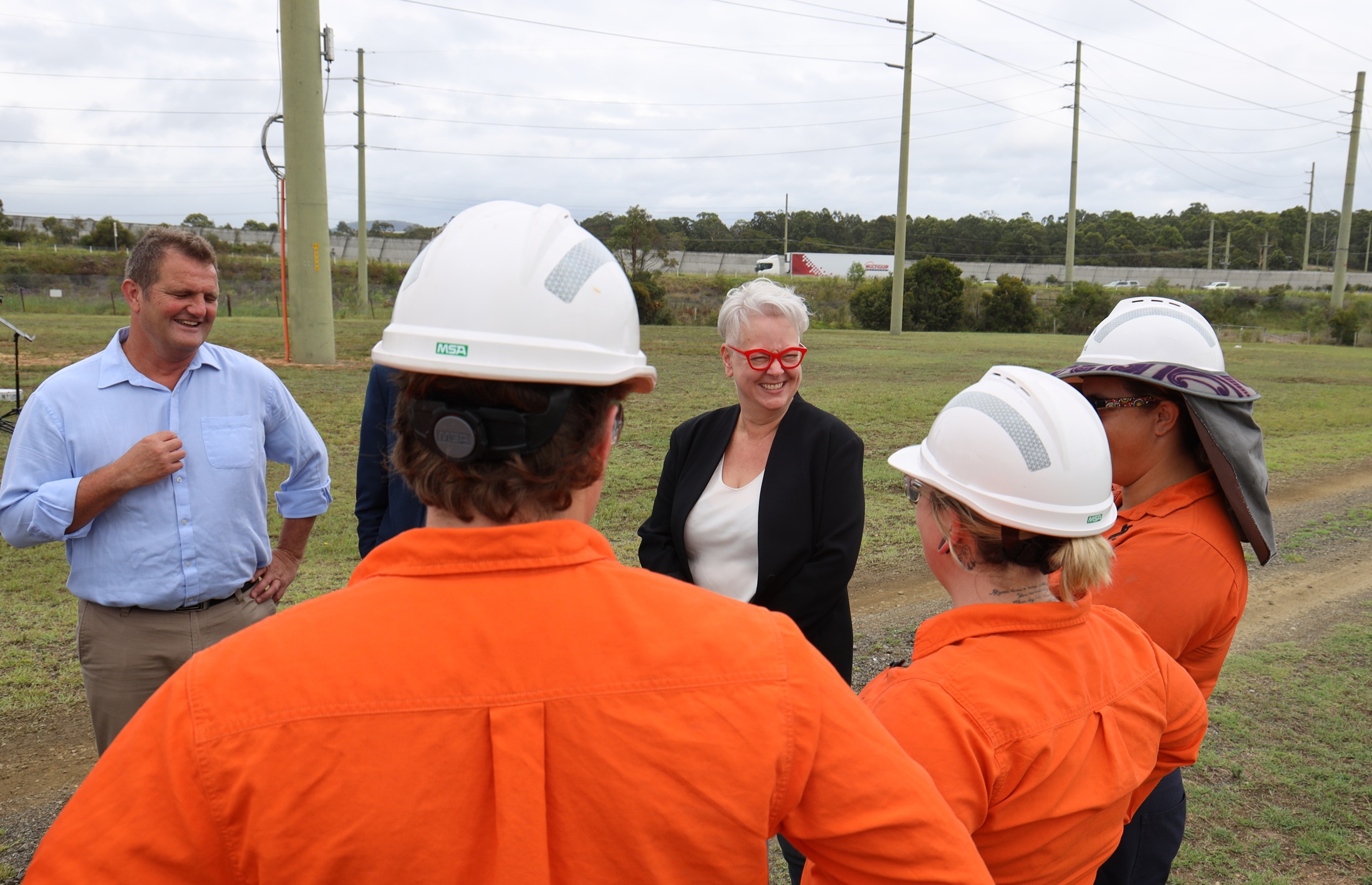
Meanwhile, Ausgrid is committed to addressing the RoEF feedback, which included priorities such as jobs, support for local businesses and procurement, protection of visual amenity and environment, community benefits, effective traffic management and ongoing community engagement.
“Finalising the Review of Environmental Factors marks a significant milestone toward delivering upgraded network infrastructure that supports clean, reliable energy for the Hunter–Central Coast region,” CEO Marc England said.
“We’re determined to work closely with landowners and local stakeholders as we enable a lower cost transition that reduces the impact on our communities.”
The project, now subject to final approvals from the Australian Energy Regulator, is separate to the Hunter Transmission Project Environmental Impact Statement currently on public exhibition.
For more news stories:
- Newcastle shines in NSW nightlife review
- Hunter Memorial Day Service honours lives lost to coal mining
- Damage continues at New Lambton landslip site
Get all the latest Newcastle news, sport, real estate, entertainment, lifestyle and more delivered straight to your inbox with the Newcastle Weekly Daily Newsletter. Sign up here.



