
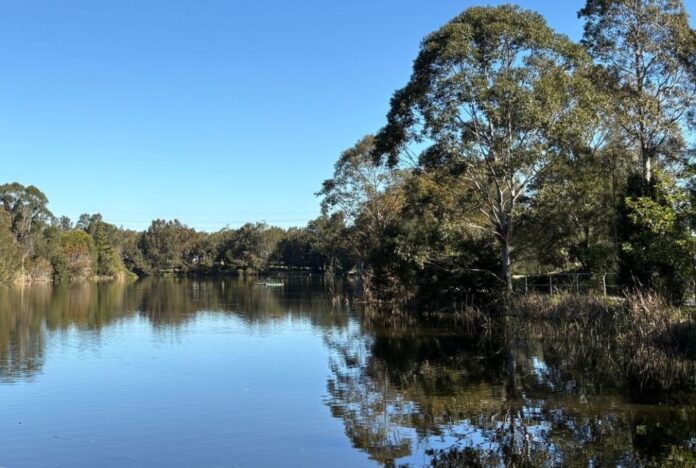
A blue-green algae alert has been issued for Warabrook Wetlands following the detection of a suspected bloom in one section of the popular recreational area.
City of Newcastle (CN) confirmed the threat was currently limited to the smaller wetland, with testing underway.
Warning signage has now been installed advising residents to avoid swimming, wading or fishing in the affected area and to keep pets away from the water.
The alert follows community concern after several waterbirds were found dead in recent days.
Local resident Terry Davies, who regularly visits the wetlands on his mobility scooter, said the notices appeared late last week.
“All of a sudden, they put up signs alerting everybody that there was supposedly blue-green algae in the place and telling people not to swim or drink the water,” he explained.
He said the wetlands were heavily used by walkers, runners and dog owners.
“Every five minutes, there’s someone walking around here,” Mr Davies added.
“It’s a beautiful area, the parks are kept well and there’s a big barbecue area.
“You don’t want to be seeing dead animals floating around the place.”
Mr Davies said signage was now clearly visible but believed some residents may have initially been unaware of the issue.
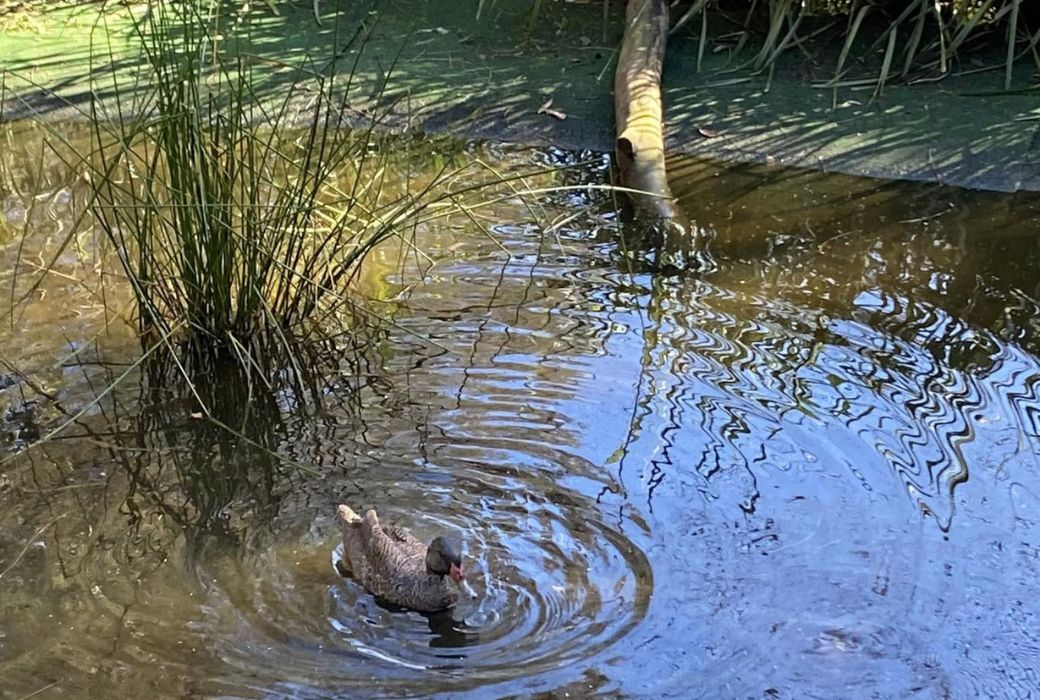
Warabrook Bush and Park Care coordinator Alasdair Chambers said blue-green algae, also known as cyanobacteria, was a naturally occurring organism present in waterways across Australia.
“It’s absolutely no problem at all until it overloads,” he stated.
“When there are excess nutrients in the water, particularly from fertiliser run-off, it can grow rapidly.
“As it dies off, it can become toxic.”
Mr Chambers described the current bloom as minor but said conditions such as warm weather, low water levels and nutrient build-up could cause it to escalate quickly.
“At this stage, it’s advisable not to touch the water and definitely not to let dogs drink it, because there is a potential risk,” he told the Newcastle Weekly.
Mr Chambers admitted it was unclear whether the recent bird deaths were directly caused by the bloom, noting older or unwell birds were often more vulnerable.
City of Newcastle is advising anyone who comes into contact with the affected water to rinse it off with fresh water as soon as possible.
Residents are also encouraged to avoid over-fertilising lawns near waterways to help reduce nutrient run-off.
Monitoring of the wetland will continue, with updates to be provided if conditions change.
For more news stories:
- Council kicks on with Maryland sporting complex
- Mining’s record-breaking contribution to NSW economy continues
- Newcastle leads the way on faster development approvals
Get all the latest Newcastle news, sport, real estate, entertainment, lifestyle and more delivered straight to your inbox with the Newcastle Weekly Daily Newsletter. Sign up here.



